Life Systems for a Resilient Future: Highlights from the UCLG Forum in Kütahya

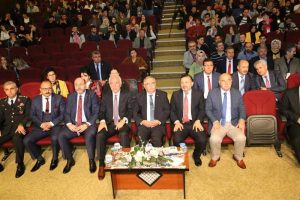
Kütahya, Türkiye — In October 2021, Kütahya hosted the 2nd Annual UCLG World Forum of Intermediary Cities, bringing together local and foreign leaders, urban experts and international organizations to discuss how mid-sized cities can drive a resilient, just and sustainable future. Due to Covid-19 pandemic safety measures, the forum was held in a hybrid format allowing for both in-person and virtual attendance. In response to global concerns such as the pandemic recovery and climate crisis, the event focused on the theme “Life Systems for a Resilient Future.”
Why Intermediary Cities Like Kütahya Matter
Intermediary cities—those between major metropolitan hubs and rural areas—play an essential role in connecting people, services and territories. The Forum highlighted how these cities can lead climate action, strengthen social cohesion and advance the Sustainable Development Goals (SDGs) through localized, people-centered policies.
Across four days, participants joined thematic panels, Local4Action Hub discussions and virtual workshops on climate resilience, water governance, urban–rural integration and cultural transformation. The programme also featured visits to Kütahya’s craft heritage sites, aligning with the city’s UNESCO “Creative City of Crafts and Folk Arts” designation.
Opening the Forum, the Secretary General of UCLG Emilia Saiz stressed the importance of “cities of proximity”—places where human-scale governance can drive real, community-focused transformation. She highlighted intermediary cities as critical actors for achieving the SDGs and for shaping a resilient post-pandemic recovery that prioritizes care, equity and territorial solidarity.
Key Sessions from the Forum included:
- Climate Day: Panels on green recovery and resilience emphasized how intermediary cities can act as local climate leaders. Speaking during Climate Day, Mahmut Özçınar, Mayor of Güelyurt & UCLG-MEWA Environmental Co-President, underscored the urgency of local climate action. His presentation linked rising environmental risks in the region to the need for stronger municipal networks and better coordination across intermediary cities. He called for localized climate adaptation strategies, especially in vulnerable areas.
- Equal Territories Panel: Discussions focused on bridging urban–rural divides and improving access to essential services.
- Water Justice Session: Experts explored regional water challenges and the responsibilities of intermediary cities in safeguarding essential resources.
The Kütahya Declaration
The main outcome of the Forum was the Kütahya Declaration, which moves the intermediary cities agenda from awareness (the aim of the 1st annual forum in Chefchaouen) to action, calling for:
- integrating climate, social and economic resilience into territorial planning,
- strengthening local service delivery (health, mobility, education),
- fostering care-based economies, and
- ensuring that intermediary cities are recognized in global policy processes.
Looking Ahead
The 2nd UCLG World Forum of Intermediary Cities in Kütahya succeeded in elevating intermediary cities within global urban policy debates and, most notably, produced a results-oriented Declaration that links territorial care, resilience and the localization of global agendas. Locally, the Forum provided momentum for reinforcing projects that link Kütahya’s heritage, tourism and socio-economic regeneration. In general, the week’s events combined high-level reflection with practical peer exchanges and laid the groundwork for continued collaboration among cities that sit between metropolises and rural hinterlands—places that, as the Kütahya Declaration aptly notes, are critical to “reassess what is essential” for a resilient future.
Tag:climate, declaration, diplomacy, Forum, UCLG

You may also like

Günaydın Seramik! Celebrating Kütahya’s Ceramic Heritage